


SPAD TOF Sensor Modules: Understanding Their Role in Gesture Recognition


2025-12-23
SPAD TOF Sensor Modules: A Comprehensive Guide to Gesture Recognition Technology
Table of Contents
- 1. Understanding SPAD TOF Sensors
- 2. Mechanism of Action of SPAD TOF Sensors
- 3. Advantages of SPAD TOF Sensor Modules
- 4. Applications of SPAD TOF Sensors in Gesture Recognition
- 5. Comparisons with Other Gesture Recognition Sensors
- 6. Future of SPAD TOF Sensor Technology
- 7. Challenges and Limitations of SPAD TOF Sensors
- 8. Frequently Asked Questions
- 9. Conclusion
1. Understanding SPAD TOF Sensors
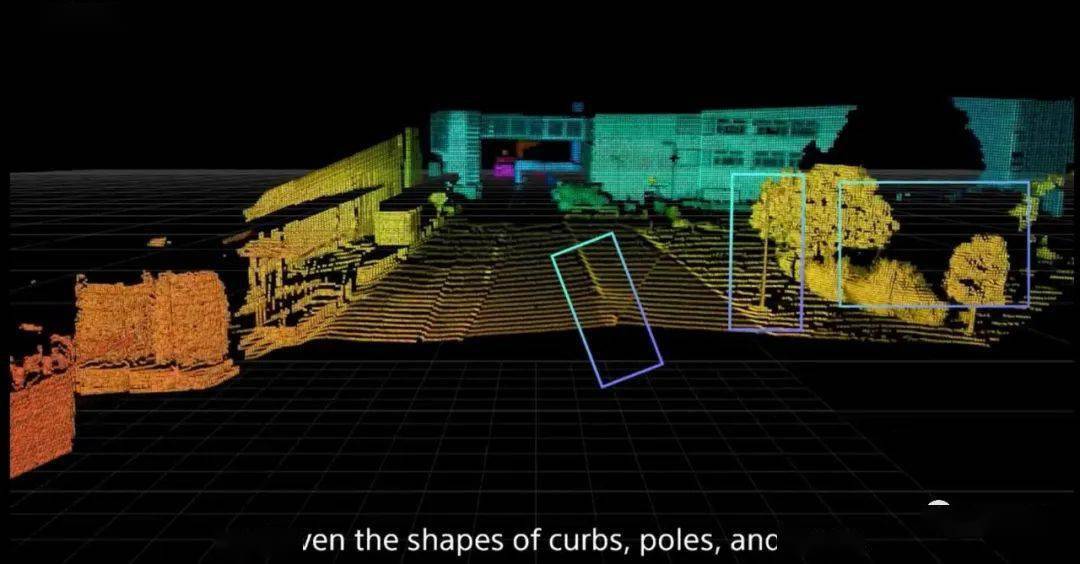
Single-Photon Avalanche Diode (SPAD) time-of-flight (TOF) sensors represent a breakthrough in the field of optics and gesture recognition. These sensors work by measuring the time it takes for a photon to travel from the source to an object and back. The ability to detect individual photons allows for high sensitivity and precision, making SPAD TOF sensors an excellent choice for applications requiring detailed depth mapping and gesture detection.
2. Mechanism of Action of SPAD TOF Sensors
SPAD TOF sensors operate on the principle of time-of-flight measurements. When a light pulse is emitted, it travels to an object, reflects off its surface, and returns to the sensor. The SPAD detects these photons, and by calculating the time taken for the light to return, it can accurately determine the distance to the object. This rapid process allows for real-time gesture recognition, enabling devices to interpret movements accurately.
Key Components of SPAD TOF Sensors
Understanding the components is crucial for grasping how SPAD TOF sensors function. The primary components include:
- **Light Source**: Typically a laser or LED that emits light pulses.
- **SPAD Detector**: A semiconductor device that can detect individual photons and generate electrical signals in response.
- **Time Measurement Circuit**: This circuit evaluates the time it takes for the light to return, allowing for distance calculation.
3. Advantages of SPAD TOF Sensor Modules
SPAD TOF sensors come with numerous advantages that make them particularly suitable for gesture recognition.
High Sensitivity and Precision
Due to their ability to detect single photons, SPAD TOF sensors demonstrate remarkable sensitivity even in low-light conditions, which is essential for various applications, including consumer electronics and automotive systems.
Fast Response Time
The quick measurement capabilities of SPAD TOF sensors enable real-time gesture recognition, resulting in fluid interactions with devices.
Compact Size
The small size of SPAD TOF sensor modules allows for easy integration into various devices, from smartphones to autonomous vehicles, without sacrificing performance.
4. Applications of SPAD TOF Sensors in Gesture Recognition
The versatile nature of SPAD TOF sensors makes them applicable in several fields.
Consumer Electronics
SPAD TOF sensors are widely used in smartphones and tablets for gesture control, enhancing user interaction without physical contact.
Automotive Industry
In vehicles, these sensors enable features such as driver attention monitoring and gesture-based controls, improving safety and user experience.
Healthcare
In medical devices, SPAD TOF sensors facilitate non-contact monitoring, which is especially beneficial in sensitive environments.
5. Comparisons with Other Gesture Recognition Sensors
When evaluating SPAD TOF sensors, it is essential to compare them with other gesture recognition technologies, such as IR sensors and camera-based systems.
IR Sensors
While IR sensors are effective for basic gesture recognition, they fall short in terms of precision and range when compared to SPAD TOF sensors, making SPAD a superior choice for intricate applications.
Camera-Based Systems
Camera systems offer high-resolution visual data but can struggle with depth perception and require extensive processing power. In contrast, SPAD TOF sensors provide depth information directly and require less computational overhead.
6. Future of SPAD TOF Sensor Technology
The future of SPAD TOF sensors is poised for growth as advancements in semiconductor technology and photonics continue. Emerging trends include:
Integration with AI
By integrating artificial intelligence with SPAD TOF sensors, devices can better interpret user gestures and improve user experience through personalized interactions.
Enhanced Range and Resolution
Ongoing research aims to increase the range and resolution of SPAD TOF sensors, expanding their applications in various fields.
7. Challenges and Limitations of SPAD TOF Sensors
Despite their advantages, SPAD TOF sensors face certain challenges.
Cost Implications
The manufacturing cost of SPAD TOF sensors can be higher than traditional sensors, which may hinder widespread adoption in budget-sensitive markets.
Environmental Sensitivity
SPAD TOF sensors can be sensitive to environmental factors, such as ambient light and temperature, affecting their performance.
8. Frequently Asked Questions
What is the main advantage of using SPAD TOF sensors over traditional sensors?
The main advantage is their ability to detect single photons, providing high sensitivity and precision, even in low light conditions.
In what applications are SPAD TOF sensors most commonly used?
They are commonly used in consumer electronics, automotive systems, and healthcare devices for gesture recognition and depth sensing.
Can SPAD TOF sensors operate in bright conditions?
Yes, SPAD TOF sensors are designed to function effectively in various lighting conditions, including bright environments.
What are the challenges associated with SPAD TOF sensors?
Key challenges include higher manufacturing costs and sensitivity to environmental conditions that can affect performance.
How does gesture recognition improve user experience in devices?
Gesture recognition enhances user interaction by enabling hands-free control, which is more intuitive and efficient in many applications.
9. Conclusion
In conclusion, SPAD TOF sensor modules are pivotal in the evolution of gesture recognition technology. Their unique capabilities of high sensitivity, fast response time, and compact size position them at the forefront of innovative applications across multiple industries. As technology advances, SPAD TOF sensors will likely play an even more significant role, shaping how we interact with the digital world. Embracing this technology not only enhances user experiences but also opens doors to new possibilities in gesture recognition and beyond.




Service Hotline


Address
Floor 4,Building C,GaoFu Center,Longteng Industry Road,Xixiang,Bao'An,ShenZhen,GuangDong,China
Business License